No Products in the Cart
We have been busy creating new products - Take a look here New Products

Regret is a quiet companion. It doesn’t always announce itself loudly in the moment; more often, it shows up later—uninvited—when we replay decisions, words unsaid, or actions not taken. In Season 2, Episode 54 of Dave’s podcast, Facing Regret in Safety, a deeply personal story becomes the doorway into a much broader conversation: how regret forms, why it lingers, and how we can reduce its power—both in safety decision-making and in life itself.
The episode opens with a memory from age seventeen. A visit to a grandmother, Stella, in St. Cloud, Florida. A dinner at a local senior center. A small orchestra playing a waltz. And then a simple invitation: Would you like to dance?
The response was quick and reflexive—“No thanks, I don’t dance.” What followed was not anger or argument, but something far more lasting: surprise, dismay, and tears welling in Stella’s eyes. That moment, brief as it was, became etched in memory. Not because of what happened, but because of what didn’t.
Many of us carry moments like this. They are not failures in the traditional sense. No rule was broken. No obvious harm was done. And yet, with time and perspective, we recognize that we missed an opportunity—to connect, to show courage, to step slightly outside our comfort zone. Having remorse, in this way, is not about guilt. It’s about awareness.
Who Stella Was—and Why It Matters
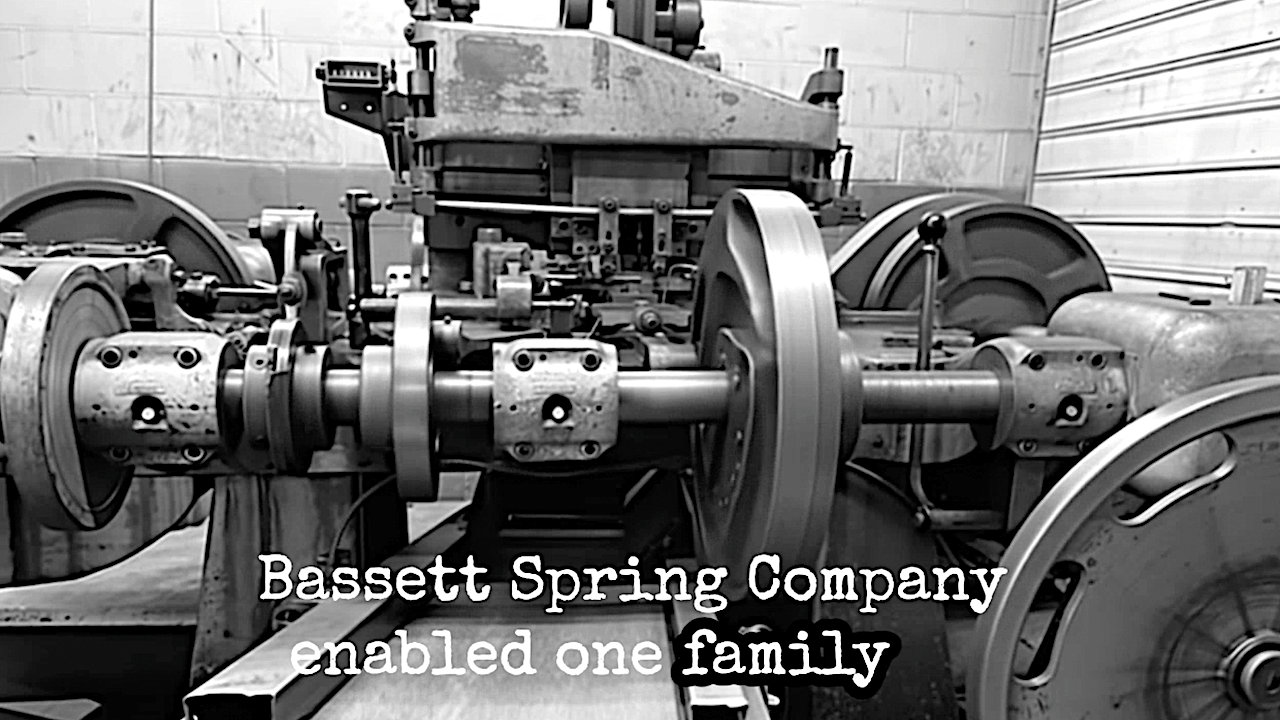
Stella lived to the age of 96, and her life was defined by determination and leadership. She took over the family metal fabrication business, Bassett Spring Company, in Lakewood, Ohio—an extraordinary role for a woman of her era. The company supplied clips, springs, and formed parts from four-slide stamping machines throughout World War II and beyond. She wasn’t just participating in industry; she was helping sustain it.
In later years, Stella passed on practical wisdom—how to run a business, how to think critically, how to persevere. Those lessons endured. Yet the memory that lingered most powerfully wasn’t about operations or strategy. It was about a dance declined.
This contrast is important. Even lives filled with achievement and contribution are remembered—and sometimes defined—by small human moments. That is often where regret finds its foothold.
When Regret Becomes a Teacher
Over time, the memory of that missed dance evolved. It no longer existed only as a source of sadness. Instead, it became a catalyst. The past, when examined honestly, can be instructive. It points not just to what we wish we had done, but to what we value.
In this case, that reflection eventually led to creation: Stella’s Waltz, a piece of music written in her honor. It was a way of answering a moment long past with something meaningful in the present. The act did not erase the remorse—but it transformed it.
This is a crucial distinction. Avoiding regret entirely is unrealistic. But learning from it—using it to guide future decisions—is both possible and powerful.
Regret in Safety: The High-Stakes Parallel
The episode then widens its lens, connecting personal regret to professional responsibility. In safety, regret often arrives after an incident—after an injury, a fire, or a near miss. With hindsight, the solutions feel obvious. We should have added guarding. We should have improved training. We should have addressed that hazard sooner.
A former president of a leading fire protection engineering firm once summarized this reality with clarity: “If, after the fire, you can look back and say you took every reasonable step to prevent it, you’ll have confidence in the actions you took and avoid regret.”
This statement reframes the goal of safety. It is not simply perfection. It is reasonableness, diligence, and foresight. Regret is most corrosive when we know—deep down—that we saw the risk and chose inaction.
The Power of Acting Before, Not After
In both life and safety, regret thrives in the gap between recognition and response. We sense an opportunity—or a hazard—but postpone action. We wait for a better time, more information, or clearer justification. Sometimes that delay costs nothing. Other times, it costs far more than we imagined.
In safety programs, proactive action is the difference between learning and lamenting. Strengthening machine guarding, reducing noise exposure, expanding training, or improving visual communication are not dramatic gestures. They are practical, often incremental steps. But taken together, they represent a mindset: We act before we are forced to.
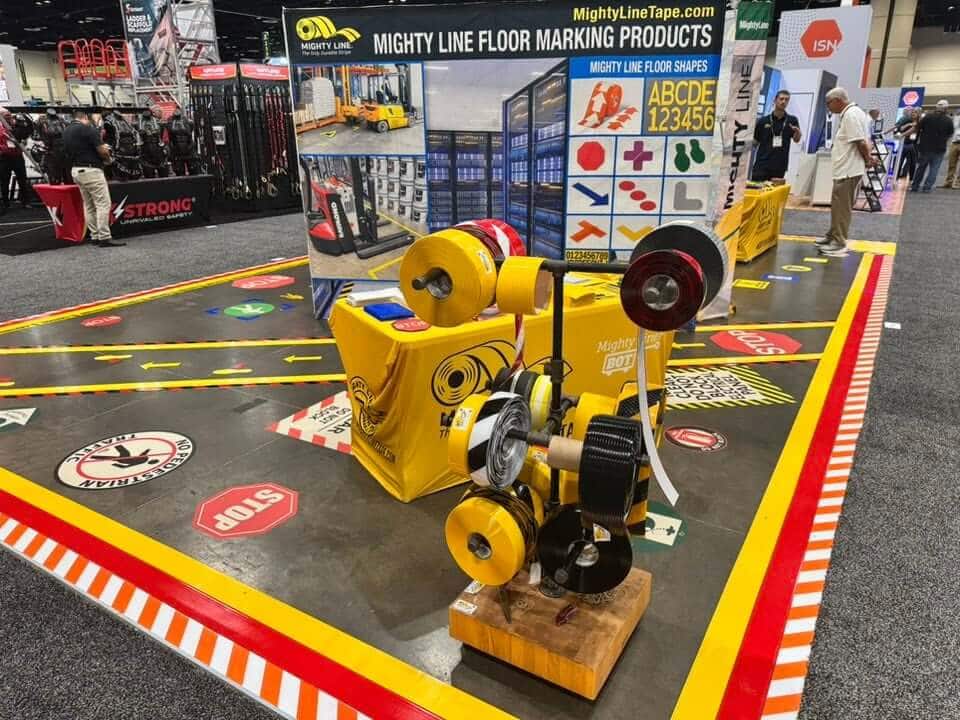
Visual and operational safety measures play a key role here. Mighty Line's state-of-the-art floor striping, palletized storage markers, fire equipment identification, door swing indicators, and scan-code label protection reduce ambiguity. They make the safe choice the clear and obvious one. Using durable solutions—such as 50-mil, beveled-edge floor tape rather than painted lines that require downtime to cure—removes friction from doing the right thing.
Confidence Is the Antidote to Regret
One of the most important ideas in the episode is that confidence, not luck, is what ultimately shields us from regret. Confidence comes from knowing that decisions were guided by safety, care, and responsibility—not convenience or complacency.
This applies far beyond the workplace. In relationships, confidence grows when we speak honestly rather than avoiding discomfort. In leadership, it comes from addressing issues early instead of hoping they resolve themselves. In life, it often means saying yes—to a dance, a conversation, or a moment that matters.
Turning Reflection into Action
The story of Stella’s Waltz (©℗ by Dave Tabar and performed by Black River Ensemble and Stellarworld® on BlackpoolRecords®) reminds us that regret does not have to be the end of the narrative. It can be a turning point. But only if we allow it to inform our next decision rather than paralyze us.
In safety, this means conducting honest assessments, investing in prevention, and fostering a culture where acting early is valued. In life, it means recognizing small opportunities for connection, and choosing presence over hesitation.
Looking Back Without Wishing You’d Done More
At the heart of Dave's S2 E54 podcast is a simple but profound goal: to be able to look back—after an incident, after a chapter of life, or at the end of a long career—and say, I took every reasonable step I could.
When safety and operational excellence guide our decisions, regret loses its sharpest edge. What remains is reflection, gratitude, and the confidence that we acted with intention.
And sometimes, if we’re fortunate, it also leaves us with a waltz—played in memory, in honor, and perhaps, somewhere, heard by those who once asked us to dance.