No Products in the Cart
We have been busy creating new products - Take a look here New Products

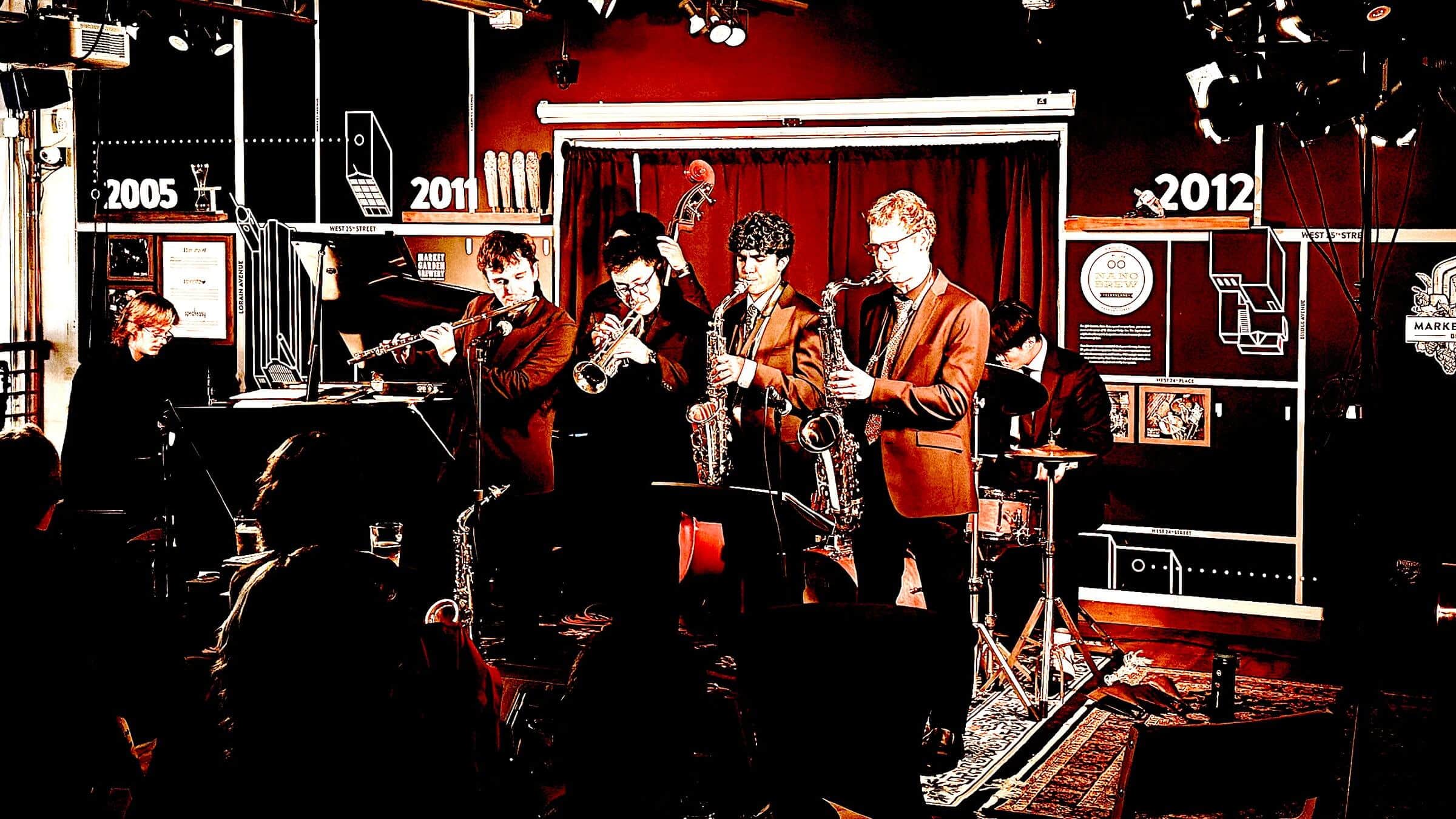

Amazing things happen in Cleveland the moment a saxophone comes out of its case at venues across the city. It’s in those moments that Cleveland’s jazz community comes alive, turning intimate venues into spaces of spontaneity, collaboration, and discovery.
Recently, Dave with Mighty Line Minute attended a casual evening that turned into a vivid snapshot of a thriving jazz scene. At the center of it all? Students, educators, and performers connected to Case Western Reserve University (CWRU), proving that jazz education and performance are alive and well—and offering young people an exciting creative path.
There’s often a misconception that this musical artform is fading into the past, something reserved for vinyl collectors and smoky clubs of a bygone era. Spend five minutes with the musicians at CWRU, and that idea falls apart.
Greg Banaszak, a dynamic educator and performer, leads jazz combos filled with students from across the globe—including a standout alto saxophonist from Tokyo. That kind of international representation says a lot: Cleveland isn’t just a local scene anymore. It’s a destination.
These student ensembles aren’t just rehearsing in classrooms. They’re performing in real venues, collaborating with seasoned professionals, and preparing for global tours. Banaszak himself, alongside fellow musicians like Theron Brown and Chris Anderson, has geared up for performances that stretch as far as India. That’s not just education—that’s immersion.
Learning Jazz by Living It
What makes music education at institutions like CWRU so compelling is its hands-on nature. Students don’t just study theory; they live the music.
Take Cari Dupote, a vocalist performing with one of the university’s ensembles. Her approach to mastering vocals reflects a blend of respect for tradition and personal exploration. She studies legends like Ella Fitzgerald, Billie Holiday, and Nancy Wilson—not to copy them, but to understand them.
That’s the essence of music: learning the language—especially so that you can speak it in your own voice.
Cari studies under Joan Ellison at the Cleveland Institute of Music (CIM), another key player in Cleveland’s musical ecosystem. This cross-institution collaboration highlights something unique about the city: its music programs don’t operate in silos. Instead, they form a network that amplifies opportunities for students.
The Power of Improvisation—and Individuality
Ask any young musician what draws them to this genre, and one word comes up again and again: improvisation.
Jazz demands more than technical skill. It requires listening, reacting, and creating in real time. For students, that’s both a challenge and a thrill.
Cari puts it simply: “I don’t think there’s anything like jazz.” That sentiment captures why music remains so compelling for young artists. In a world where so much is pre-programmed and predictable, "improv" offers freedom. It invites risk. It rewards originality.
And importantly, it teaches resilience. You don’t always hit the perfect note—but you learn how to recover, adapt, and turn mistakes into something meaningful.
From Minnesota to Cleveland: A Jazz Journey
The path into this unique form of music isn’t always linear, and that’s part of its charm.
Saxophonist Bobby Bellairs started on clarinet before falling in love with the saxophone’s sound. After studying at St. Olaf College, he found his way to Cleveland for graduate studies—drawn in part by Banaszak’s teaching style and the strength of CWRU’s music education program.
His story reflects a broader trend: students are choosing Cleveland not just for affordability or convenience, but for the quality of its music programs and the vibrancy of its scene.
And once they arrive, many don’t want to leave.
“I love it here,” Bobby says. That’s a powerful endorsement in a field where location often dictates opportunity.
Instruments, Identity, and Finding Your Sound
One of the most fascinating aspects of music education is how personal it becomes. Choosing an instrument—or even a specific model—can feel like finding your voice.
Bobby plays a "Custom ZII," a professional-level saxophone he’s used for years. But getting there took time: starting with intermediate instruments, experimenting, and eventually discovering what felt right.
That journey mirrors the broader artistic process. These musicians aren’t just learning notes—they’re shaping identities.
Cleveland’s Venues: Classrooms Beyond Campus
Education doesn’t stop when students leave campus. In Northeast Ohio, venues like Irishtown Bend Taproom, Bop Stop and BLU Jazz+ serve as extended classrooms.
These spaces give students the chance to perform for live audiences, test new material, and share the stage with experienced musicians. It’s one thing to practice in a rehearsal room; it’s another to deliver a solo in front of a crowd.
There’s also Cain Park, a historic venue where musicians connect with broader audiences. Performing in stages here help students bridge the gap between academia and the professional world.
Jazz as a Global Language
One of the most exciting aspects of the CWRU jazz program is its global reach. Students come from around the world, and faculty members tour internationally.
When Banaszak and his colleagues travel to India as “ambassadors of jazz,” they’re not just performing—they’re participating in a cultural exchange. The genre becomes a shared language, connecting people across borders.
For students, this opens doors, this creative music isn’t confined to one city or country. It’s a passport to global collaboration.
Why Jazz Matters More Than Ever
In an era dominated by digital production and algorithm-driven music, improvisation and musical standards offers something refreshingly human> It’s unpredictable. It’s collaborative. It’s deeply personal.
For young people, studying this form of music isn’t just about becoming a musician. It’s about developing skills that translate far beyond music: creativity, communication, adaptability, and confidence.
Programs at institutions like Case Western Reserve University and the Cleveland Institute of Music provide a framework—but the real magic happens when students take ownership of their art.
A Creative Future Rooted in Tradition
What’s happening in Cleveland is a reminder that jazz is a living, evolving and refreshing art form.
Students are honoring the past while pushing boundaries. They’re studying legends while crafting new sounds. And they’re doing it in a city that’s increasingly becoming a hub for musical innovation.
So, if you’re a young person wondering whether this form of music and creativity is worth exploring, take it from the musicians themselves: it absolutely is.
Whether you’re picking up an instrument for the first time, refining your voice, or simply listening more closely, this musical artform offers a world of possibilities.
And if you find yourself in Cleveland on a given night, follow the music. You might just discover the future of jazz—already in full swing.
And if you’d like to hear a composition by our own Dave here at Mighty Line® check out his “Dreamer” on Blackpool Records® performed by Stellarworld® … his first tune written in 5/4!