No Products in the Cart
We have been busy creating new products - Take a look here New Products


A new employee’s first day can be exciting, overwhelming—and sometimes a little confusing. There are names to remember, paperwork to complete, procedures to learn and a new workplace to figure out. For safety, HR and operations leaders, however, the first day represents something much more important: an opportunity to establish how the organization expects people to work—and how seriously it takes their safety.
New-employee indoctrination should go well beyond an employee handbook and a stack of forms. From the beginning, employees should understand that safety isn't something separate from their job. Safety is part of the job. That message is especially important in manufacturing, warehousing and distribution environments where a new employee may encounter forklifts, machinery, material-handling activities, chemicals, storage racks, pedestrian traffic and other hazards before they fully understand how the facility operates.
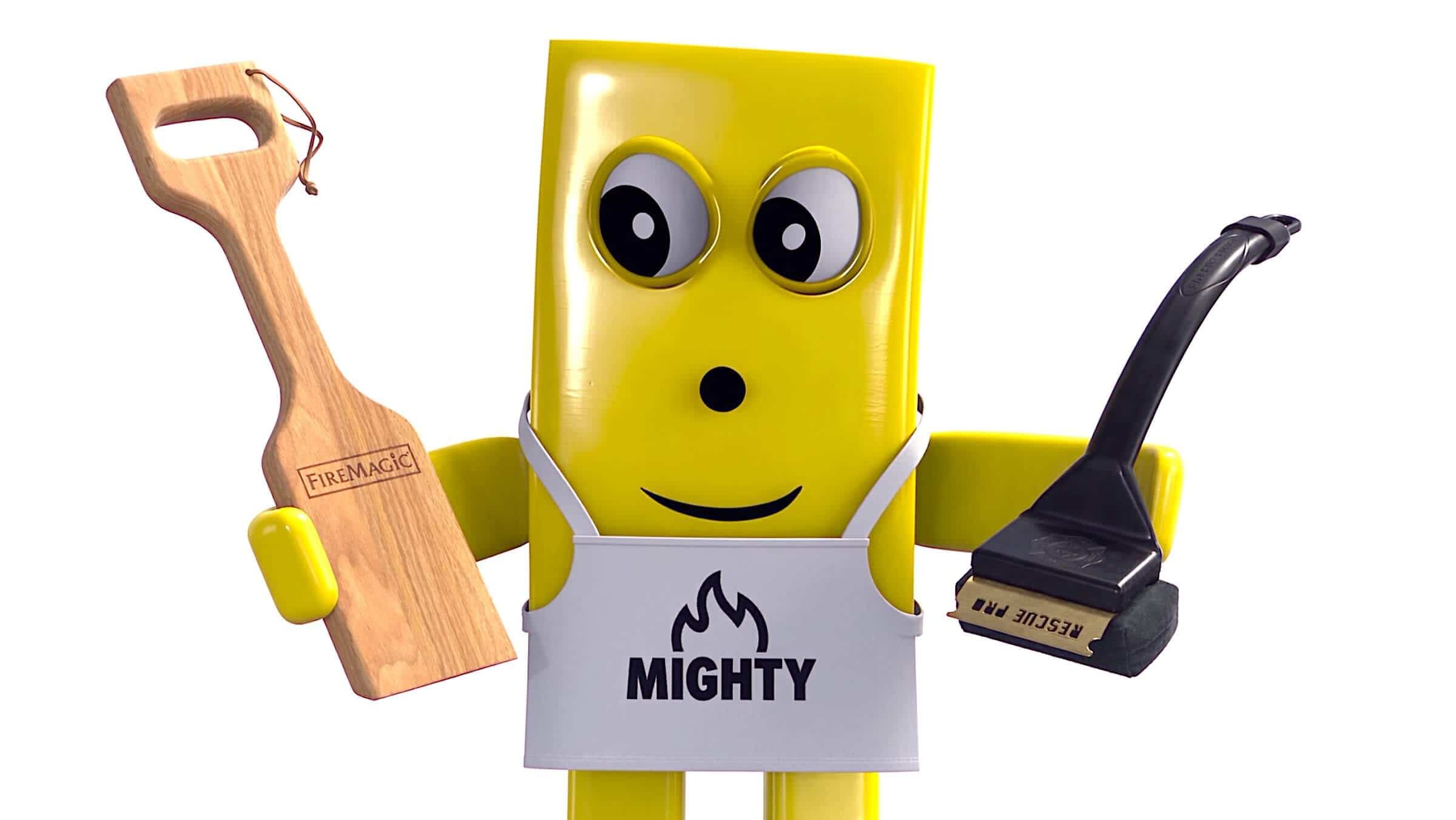
And that brings us to Mighty®.
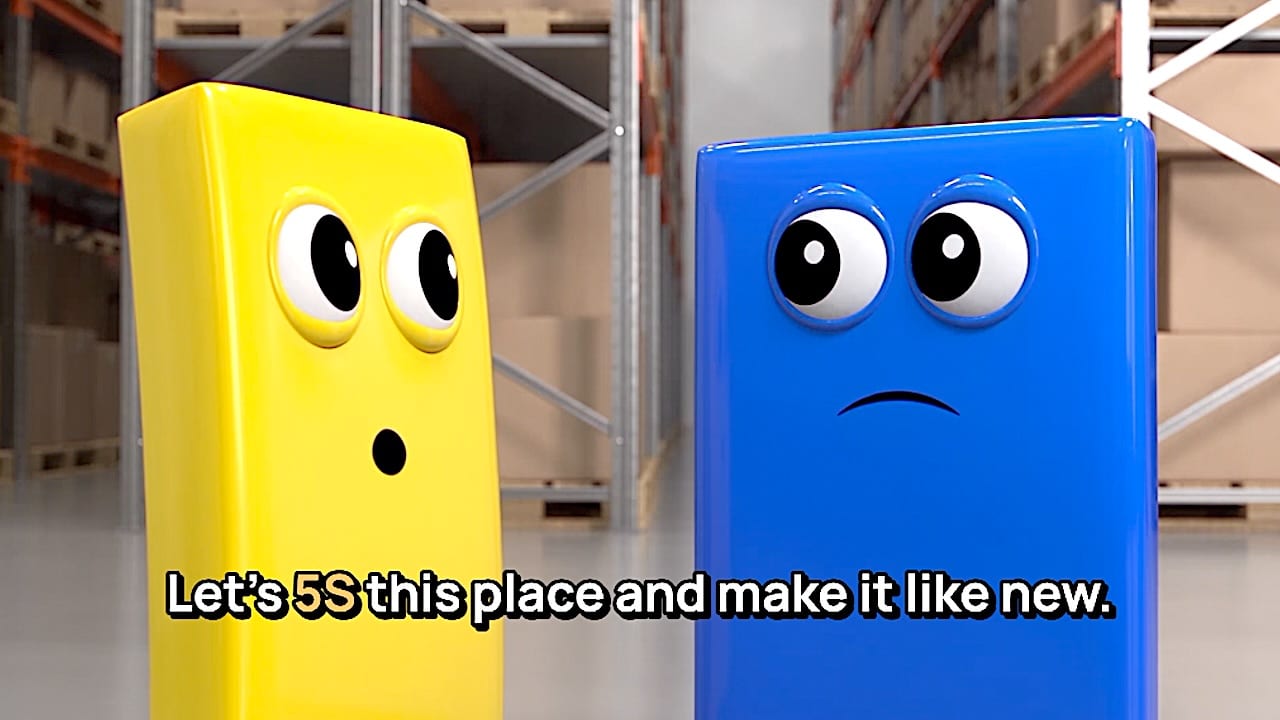
In a recent humorous Mighty Line Minute Season 3 Episode 35 animated podcast, Mighty is experiencing his first day on the job. The introduction begins, “Welcome to the team! First day here? No need to worry. Let’s bust your fear!” It's a playful way to introduce a serious idea: A new employee should feel welcomed, supported and comfortable asking questions. The first day shouldn't be about frightening someone with everything that could go wrong. It should be about showing them how the organization helps people do the job safely and successfully.
Make Safety Part of the Welcome
The first conversation with a new employee can establish the tone for everything that follows. Instead of beginning with a long list of rules and restrictions, start by explaining the organization's commitment to its employees. Tell the new employee that safety matters, that questions are encouraged and that speaking up about a hazard is expected—not discouraged.
Then introduce the people who support that commitment. Who is the safety professional? Who is the supervisor? Who handles first aid? Who should be contacted about a hazard? Who should be notified about an injury or near miss? Who can answer a question about equipment or PPE?
In Mighty’s first-day adventure, he meets Brunhilde Blue, the health and safety professional: “Meet our health and safety pro: Brunhilde Blue, whom you’ll get to know.” Brunhilde may be an animated character, but the principle is real. New employees should know the people behind the safety program. A safety program becomes much more approachable when employees know who they can turn to for help.
Take the New Employee Into the Workplace
A safety orientation shouldn't exist only on a computer screen or inside a conference room. At some point, the new employee needs to see the workplace.
Take them on a walk-through. Show them emergency exits, fire equipment, first-aid resources, evacuation routes, restricted areas, pedestrian pathways, forklift traffic, required PPE and locations where hazards should be reported. Explain floor markings and signs. Show them where they are expected to walk and where they are not supposed to walk. Explain what happens when a forklift and pedestrian need to occupy the same general area.
This is also where 5S and visual workplace organization can become part of the conversation. A clean, organized workplace is easier for a new employee to understand. Clearly defined pathways, equipment locations, storage areas and keep-clear zones provide visual information that doesn't require someone to remember everything they heard during orientation.
That's one reason visual controls can be so valuable. A clearly marked pedestrian pathway or equipment boundary communicates information every time someone walks through the area. Good workplace organization helps turn safety expectations into something employees can see, not simply something they were told once.
Train for the Actual Job
General orientation is only the beginning. New employees also need training specific to the work they will perform. If the job involves powered industrial trucks, machine guarding, lockout/tagout, chemicals, lifting, ergonomics, electrical equipment or other significant hazards, the employee needs appropriate instruction before performing those activities independently.
This is where HR, safety and operations need to work together. HR helps coordinate the onboarding process. Safety identifies hazards and training requirements. Operations explains how the work is actually performed. Supervisors reinforce those expectations on the floor.
The objective is not simply to document that training occurred. The objective is to determine whether the employee actually understands the hazards and knows how to work safely.
Mighty's first-day script makes that point with a little humor: “Operating manuals? She’ll walk you through. Training? She’ll take care of you. Then test your knowledge through and through!”
That's a pretty good philosophy for onboarding. Explain it. Demonstrate it. Then verify that the employee understands it.
Don't Assume the New Employee Understands
A signature on a training form doesn't necessarily mean someone understands the material. Neither does watching a video.
Ask questions. Have the employee explain what they would do in an emergency. Ask how they would report a hazard. Demonstrate the proper use of PPE. Have them identify pedestrian routes and restricted areas. Observe them performing the task once training moves from the classroom to the workplace.
And give them permission to say, “I don't understand.”
That may be one of the most important things a new employee can learn on Day One.
A workplace that encourages questions is more likely to discover problems before they become incidents. A workplace that discourages questions may simply teach employees to remain silent.
Give the New Employee a Role in Safety
The Mighty story takes an amusing turn when his first assignment is revealed:
“Your first job here: Put down Mighty Line, as it’s long overdue! Let’s 5S this place and make it like new.”
Not every new employee will be installing floor tape on their first day, of course. But the underlying idea is worth considering. Don't make the new employee a passive recipient of the safety program. Give them a role in it.
Have them participate in a 5S activity. Ask them to identify something that could make their workstation safer or more organized. Have them report a housekeeping concern or point out something that isn't immediately clear. Encourage them to identify hazards and ask why things are done a certain way.
There is an additional benefit to this approach: new employees see things experienced employees sometimes stop seeing.
A long-time employee may walk past a damaged floor marking every day without noticing it. A new employee may immediately ask, “What's that supposed to mean?” That question could reveal an opportunity for improvement.
Make the First Day the Beginning—Not the Finish Line
The first day establishes expectations, but it shouldn't be the end of safety onboarding. Supervisors should check in with new employees during their first days and weeks. Trainers should observe their work. Safety professionals should verify that required training is complete and understood. Managers should pay attention to questions and concerns raised by new employees.
Most importantly, the organization needs to demonstrate that the safety message delivered on Day One is real.
If you tell a new employee to report hazards, respond when they report one. If you tell them housekeeping matters, maintain the workplace. If you tell them pedestrian pathways are important, keep those pathways clear. If you tell them they can ask questions, make time to answer them.
Employees notice the difference between what an organization says and what it actually does.
That is ultimately what new-employee indoctrination should accomplish. It should introduce the employee to the people, processes and expectations that make up the organization—and establish from the very beginning that working safely is part of being a successful member of the team.
Mighty may have summarized it best at the end of his first-day adventure:
“A safer workplace. For me. And for you.”
That's more than a punchline. It's a pretty good operating principle.
Welcome the new employee. Teach them. Involve them. And give the employee a clear path that includes the knowledge and know-how to work safely beginning with Day One.