No Products in the Cart
We have been busy creating new products - Take a look here New Products

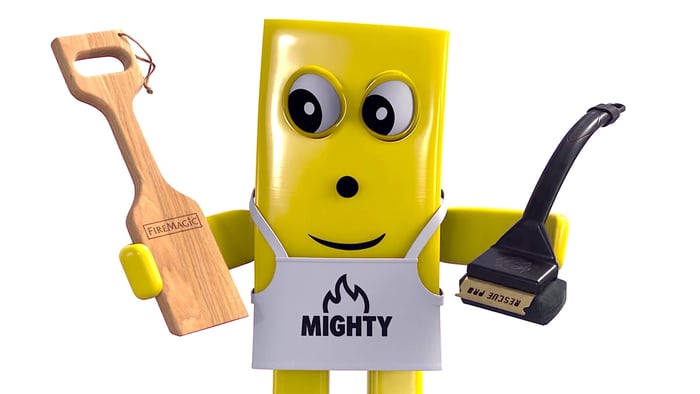

Here's a warning you may not be expecting: There’s nothing quite like firing up the barbecue on a warm day. Whether you’re grilling burgers, steaks, chicken, vegetables, or anything else, a clean cooking surface is an important part of preparing great food. But there’s one grill-cleaning hazard that deserves special attention: metal grill-brush bristles. Small metal bristles can break away from a grill brush and become lodged on the cooking surface. If one of those bristles ends up on food and is swallowed, it can potentially cause a serious injury. That’s why grill-brush safety isn't simply about keeping your barbecue clean—it’s also about keeping unwanted metal out of your meal.
Researchers at the University of Pittsburgh found that grill-brush wire bristles were associated with an estimated 3,739 emergency-room cases in the U.S. between 2015 and 2023.
Those numbers are a good reminder that a seemingly small piece of cleaning equipment can create a significant food-safety concern.
So, what can you do? The first warning: ditch the wire bristles. The simplest way to eliminate the risk of loose metal bristles is to eliminate the metal bristles themselves. Instead of relying on a steel- or brass-wire grill brush, consider switching to a bristle-free grill-cleaning tool specifically designed for the job. Wooden grill scrapers, nylon brushes, plastic scrapers, and non-metal scrub pads can provide alternatives for removing residue without introducing loose metal wires to the cooking surface. No cleaning tool is completely risk-free, however. Any tool can wear, break, or leave material behind if it is damaged or used improperly, so inspect your grill-cleaning tool regularly and replace it when it becomes worn or damaged.
Second, let heat and moisture do some of the work. Removing stubborn residue doesn't always require aggressive scraping. Warm water or steam can help loosen baked-on food and grease, making the residue easier to remove. A grill that is warm—but not blazing hot can also make cleaning more manageable. Always follow the manufacturer's instructions for your grill and cleaning tools, and remember that extremely hot cooking surfaces can create burn hazards. The goal is to soften and loosen residue before removing it, rather than relying entirely on force.
Third, clean the grill thoroughly and then give it a final inspection. Once you've loosened the residue, wipe or brush away the material using your bristle-free cleaning tool. Pay attention to the entire cooking surface, including areas where debris might collect. Then take a moment to look over the grill grate carefully. Look for loose debris, broken pieces, or anything else that doesn't belong on the cooking surface. A few extra seconds of inspection could help prevent an unwanted piece of debris from becoming part of the meal.
Fourth, make that final inspection part of your regular grilling routine. It's easy to develop a routine of heating the grill, cleaning the grate, putting on the food, and starting to cook. But adding one more step—inspect the cooking surface before putting food on it—can improve your grilling safety. This warning is especially important when using an older cleaning tool. If a brush or pad shows obvious signs of deterioration, don't keep using it simply because it still appears to work. Replace it. The same principle applies to other kitchen and grilling equipment: when a tool is deteriorating, it's time to replace it.
Fifth, don't ignore a suspected swallowed bristle. Warning! Despite your best efforts, accidents can happen. If you suspect that you or someone else has swallowed a metal grill-brush bristle, don't simply assume it will pass without causing a problem. A sharp metal object can potentially cause injury, and the location and severity of an injury may not be immediately obvious. Seek medical attention promptly if you suspect a metal bristle has been swallowed. Don't try to diagnose the situation yourself or rely solely on the absence of immediate symptoms. A medical professional can determine what evaluation or treatment may be appropriate.
The good news is that avoiding metal bristles is a relatively simple precaution. Choose a bristle-free cleaning tool, use warm water or steam to help loosen stubborn residue, clean the cooking surface thoroughly, and take a few moments to inspect the grate before putting food on it. Think of that final inspection as part of your grilling routine—not an extra chore. After all, nobody wants an unexpected surprise with dinner.
Grilling should be enjoyable, and keeping your grill clean is an important part of maintaining it. But cleaning the grill shouldn't create a new hazard in the process. Whether you're cooking for your family, hosting friends, or simply enjoying a meal outdoors, a few simple precautions can help keep the focus where it belongs: on good food and good times.
Finally, before firing up the grill, take a few minutes to understand the rules and this warning that may apply where you live: Local ordinances, fire codes, condominium or apartment policies, homeowners' association requirements, and rental-property restrictions may all regulate where and how grills can be used.
Safe grilling requirements are particularly important in multi-family housing, where balconies, decks, patios, and other areas may place a grill dangerously close to a building or other combustible construction. Some properties restrict or prohibit certain types of grills because of the additional fire risk associated with open flames, charcoal, or propane cylinders.
So, before grilling, make sure you understand any limitations that apply to your property and follow the manufacturer's instructions for your specific grill. Warning: A safe grilling experience begins before the grill is even turned on! Remember Mighty's message: A clean grill matters—and keeping metal out of your food is essential to safe grilling!