No Products in the Cart
We have been busy creating new products - Take a look here New Products

New hires are far more than a new name on the payroll. They are a new contributor to your operation—and potentially a new influence on your workplace culture. For warehouse operations managers, business owners, safety directors and HR professionals, hiring is often focused on practical questions: Does the candidate have the right skills? Can they do the job? Will they learn the operation and become productive? Those questions are important, but there's another question worth asking: What will this person bring to the workplace?
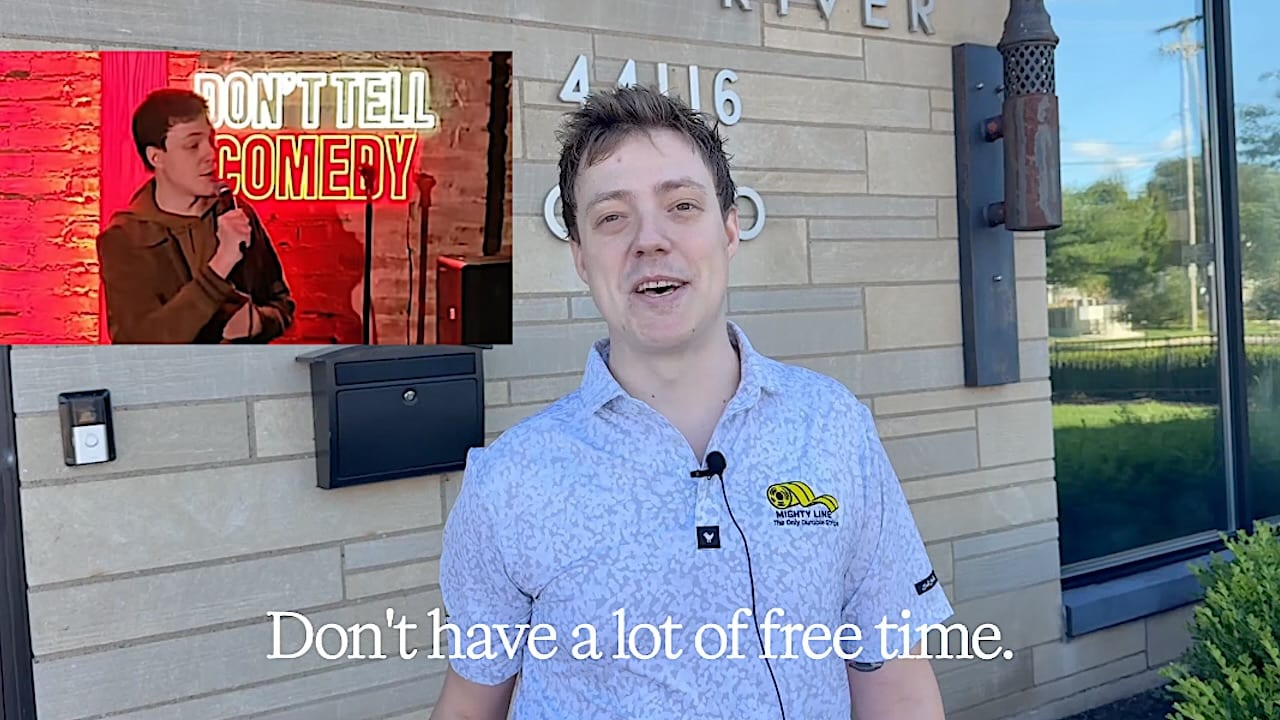
That was one of the themes of the recent Mighty Line Minute S3 E34 conversation with Brandon Petri, one of the newest members of the Mighty Line team. Brandon works as a Warehouse Associate, and when Dave asked him what he does, Brandon's answer was essentially, “Anything that's asked of me.” Answer doors, ship orders, load trucks—you name it. That kind of flexibility is valuable in warehouse and manufacturing operations, where priorities can change quickly and employees often need to work across different functions. But Brandon also identified another contribution he brings to the workplace: positivity. He described it as keeping people on the same page, working as a team and pushing toward a common goal. That's more than a good attitude. It's an important part of building an effective workplace.
New Hires Become Part of Your Workplace Culture
Every new employee enters an existing workplace culture, but they also become part of shaping it. A healthy workplace doesn't require everyone to have the same personality or approach. In fact, different experiences, perspectives and personalities can strengthen a team. What matters is whether those differences contribute to a workplace where people can communicate, cooperate and work toward common objectives. For warehouse and manufacturing operations, that includes productivity and quality—but it also includes safety. A new employee who understands the importance of teamwork and communication can become an important part of that safety culture.
Brandon also brought previous manufacturing experience to his new position. That experience provides a foundation for understanding the pace and demands of manufacturing and warehouse work. But even experienced employees have something to learn when they enter a new organization. Every facility has its own procedures, equipment, traffic patterns, hazards, expectations and methods of communication. That's why effective onboarding of new hires is so important. Training shouldn't simply explain how to perform a task. It should help employees understand why the company performs that task in a particular way—and what role they play in keeping themselves and their coworkers safe.
Onboarding Is More Than a Checklist
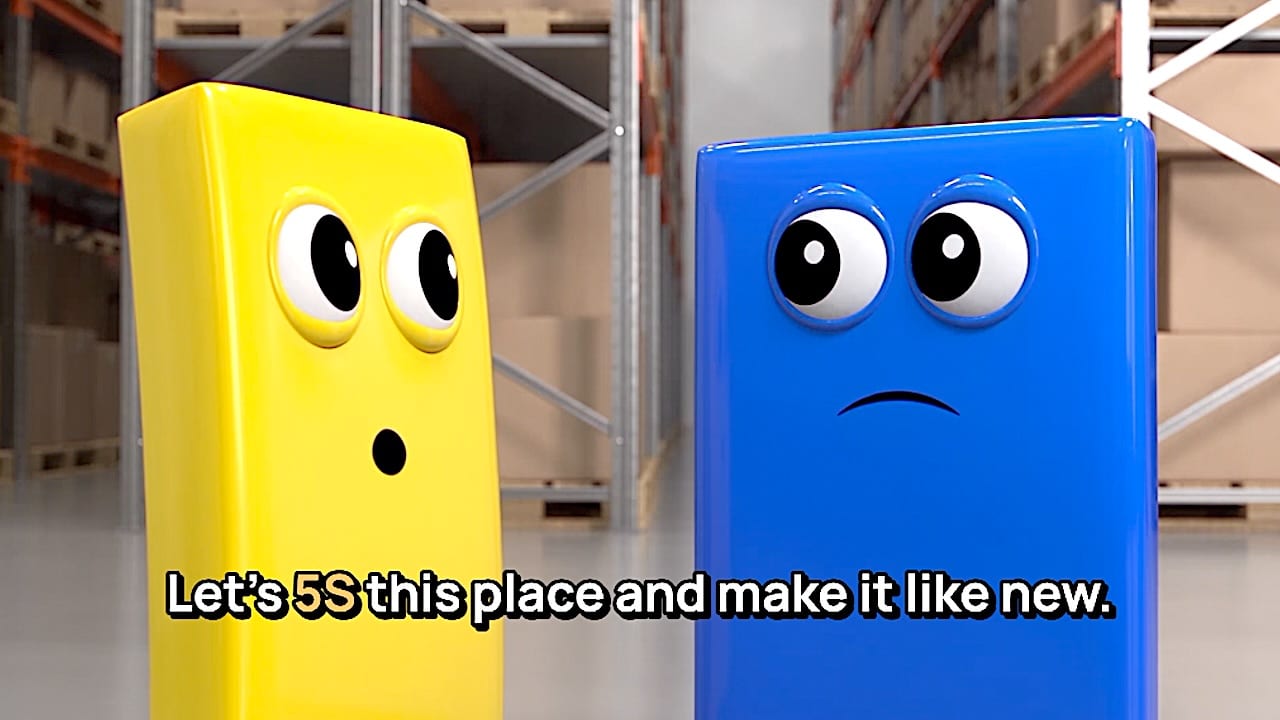
For safety directors and operations leaders, onboarding new hires sometimes becomes a checklist: complete orientation, review the safety rules, sign the required forms, issue PPE and get the employee onto the floor. Those steps are necessary, but onboarding is also an opportunity to demonstrate what the organization actually values. New hires are watching what happens around them. They notice whether aisles and walkways are kept clear and well-delineated, whether forklift and pedestrian traffic is properly managed, whether damaged equipment is reported, whether required PPE is worn and whether supervisors respond when employees identify hazards. In other words, the workplace itself becomes part of the 5S program.
That's why the behavior of existing employees is so important when someone new joins the team. If management says safety is the priority but employees regularly take shortcuts, new hires receive two different messages. The same is true of housekeeping, quality and communication. A company's stated policies matter, but employees learn a great deal from what they see others actually doing. A new employee should see safety expectations being practiced—not simply explained during orientation.
New Hires Bring New Eyes to Safety
There is another potential advantage to bringing new people into an operation: a fresh set of eyes. An experienced employee may become accustomed to seeing a particular condition every day. A new employee may look at that same condition and ask, “Is that supposed to be there?” That question can be valuable. It might uncover a housekeeping issue, an unclear pathway, a storage problem, damaged equipment or another condition that deserves attention.
Organizations should therefore make it clear that new employees are encouraged to ask questions and report concerns. Asking questions isn't necessarily a sign that someone lacks experience. Often, it's how employees learn—and how companies identify opportunities to improve. The objective should be to create an environment where employees understand that speaking up about a potential hazard is part of their job, not an inconvenience to management.
What Else Does the New Employee Bring?
Brandon's personality added another dimension to our conversation. He's also a stand-up comedian, which naturally led to a discussion about humor in the workplace. His response was that you have to “walk a fine line.” That's good advice. Humor can create engagement and help people connect, but it needs to be used carefully in a diverse workplace. In safety communications especially, humor should support the message rather than undermine it. The goal isn't to make safety a joke. It's to use appropriate humor, when it fits, to capture attention and encourage people to remember the behavior that matters.
Of course, not every new employee is going to be a comedian—and they don't need to be. One person may bring humor and energy. Another may bring technical expertise. Someone else may be exceptionally organized, mechanically inclined, analytical or naturally good at working with others. Successful teams don't require everyone to contribute in exactly the same way. They require people to contribute their strengths while respecting the responsibilities and expectations of the organization.
Hiring for Success Means More Than Skills
For business owners and HR professionals, hiring should ultimately be about more than matching a resume to a job description. The technical qualifications for the position are essential, but qualities such as adaptability, communication, reliability, willingness to learn, teamwork and respect for workplace safety can also influence whether a new employee succeeds. That doesn't mean every candidate needs to demonstrate every quality in the same way. It means organizations should consider how the person fits the actual requirements of the job and the environment in which they'll be working.
Once the hiring decision is made, however, the company's responsibility doesn't end. The organization needs to provide the training, resources, supervision, feedback and support that allow the new employee to succeed. Hiring gets someone through the door. Effective onboarding helps them understand the operation. Leadership helps them become part of the team.
The Mighty Line Lesson
Our conversation with Brandon was informal and included plenty of humor, but there was a serious operations lesson underneath it. A successful warehouse or manufacturing operation depends on people who are willing to contribute, communicate, learn, adapt and work toward common goals. Brandon called himself a “vibes hire,” and there's certainly nothing wrong with bringing some positive vibes to work. But the bigger point is that every new hire should bring positivity to the organization.
For warehouse managers, safety and health professionals, business owners and HR leaders, the opportunity is to identify those strengths, connect them with the organization's expectations and make safety part of the equation from day one. Give new employees the training they need. Show them what good performance looks like. Encourage them to ask questions. Let them know that identifying a hazard is a contribution—not a complaint. And ensure that they have opportunities to become part of the team.
Because a new employee isn't just learning your operation.
They're becoming part of it.
And when new employees are given the right tools, training, support and expectations, they can contribute to something every organization wants: a safer, more productive and more successful workplace.