No Products in the Cart
We have been busy creating new products - Take a look here New Products


Warehouses and distribution centers continue to play an essential role in today's supply chain, moving products quickly and efficiently from manufacturers to customers. Along with that responsibility comes a wide range of workplace hazards—from forklift traffic and material handling to storage systems, pedestrian safety, and increasingly, indoor heat exposure. Although OSHA's three-year National Emphasis Program (NEP) for Warehousing and Distribution Center Operations officially expired on July 13, 2026, warehouse operators should not interpret that milestone as a reduction in regualtory enforcement. Instead, it represents a transition in how the agency may direct its inspection resources. OSHA continues to view warehousing as a high-risk industry, and inspections remain an important part of its mission to reduce serious injuries and fatalities. Understanding how National Emphasis Programs work—and what inspectors continue to evaluate—can help employers maintain safer workplaces while remaining prepared for regulatory inspections.
Although the Warehousing NEP expired on July 13th, warehouse operators should expect OSHA inspectors to continue evaluating many of the same workplace hazards that have historically contributed to injuries. Powered industrial trucks remain one of the agency's primary concerns. Compliance officers routinely review forklift operator training, documentation, certifications, pre-shift equipment inspections, safe operating practices, pedestrian interactions, traffic flow, and equipment maintenance. Material handling and storage practices also receive careful attention, including pallet stability, storage configurations, rack integrity, load limits, blocked aisles, and conditions that could create struck-by or caught-between hazards. Inspectors also examine walking-working surfaces for slip, trip, and fall hazards, damaged flooring, poor housekeeping, inadequate lighting, and unsafe access routes. Emergency preparedness continues to be another important inspection area, with OSHA reviewing means of egress, emergency exits, fire extinguishers, fire protection equipment, and emergency access to ensure employees can safely respond during an emergency. Depending upon workplace conditions, compliance officers may also evaluate ergonomic exposures associated with repetitive lifting, manual material handling, awkward postures, and repetitive motion tasks.
One of the most significant developments affecting warehouses in 2026 is OSHA's renewed emphasis on heat-related hazards. While the Warehousing NEP expired, the agency renewed and revised its National Emphasis Program for Outdoor and Indoor Heat-Related Hazards for an additional five years, effective April 10, 2026. This updated directive specifically recognizes that hazardous heat is not limited to outdoor environments. Large warehouses, distribution centers, loading docks, upper storage levels, and facilities with limited ventilation can all experience elevated temperatures capable of increasing the risk of heat-related illness. During periods of excessive heat, OSHA expects employers to evaluate workplace conditions, provide adequate drinking water, encourage appropriate rest breaks, establish acclimatization procedures for new or returning employees, train supervisors and employees to recognize the signs of heat illness, and implement engineering or administrative controls whenever practical. Warehouse managers should no longer assume that heat enforcement applies only to construction sites or agricultural operations. Indoor warehouse environments are now clearly within OSHA's national enforcement focus whenever heat presents a recognized workplace hazard.
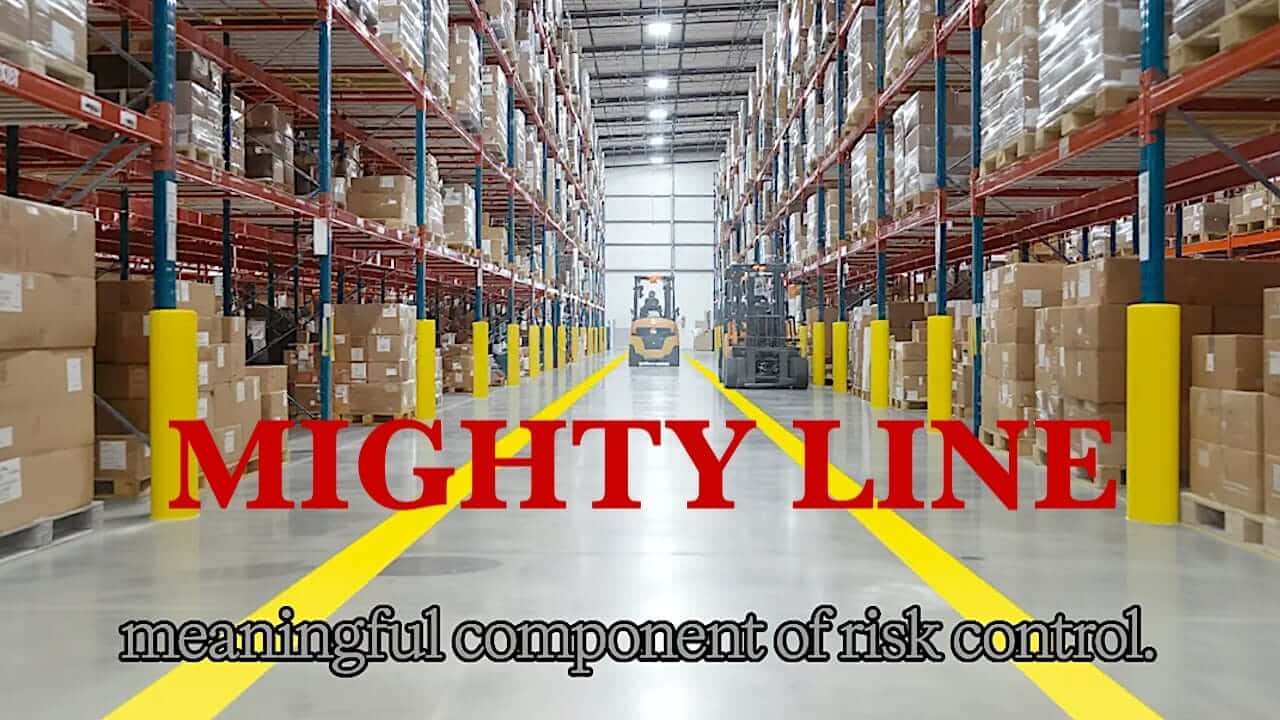
The expiration of the Warehousing NEP should therefore not change how safety professionals approach warehouse operations. Rather than preparing only when an OSHA inspection appears likely, organizations should strive to maintain inspection-ready facilities every day. That begins with verifying forklift training documentation, operator certifications, and pre-shift equipment inspections. Pedestrian walkways should be clearly delineated and separated from powered industrial truck traffic wherever feasible. Aisles, means of egress, emergency exits, and fire protection equipment should remain unobstructed and readily accessible at all times. Storage racks should be inspected routinely, damaged components repaired or replaced promptly, and posted load capacities consistently observed. Strong housekeeping practices reduce slip, trip, and fall hazards while supporting Lean manufacturing and 5S or 6S workplace organization initiatives. Employers should also evaluate ergonomic exposures, encourage early reporting of discomfort, and review work processes that require repetitive lifting or awkward body positions. During warm weather, monitoring indoor temperatures and humidity while implementing appropriate heat controls can significantly reduce the risk of heat stress among warehouse personnel.
Ultimately, the expiration of one National Emphasis Program does not signal the end of OSHA's attention to warehousing and distribution centers. The agency continues to possess numerous inspection authorities, and its renewed Heat NEP demonstrates that enforcement priorities evolve as workplace risks change. Whether OSHA eventually issues a revised Warehousing and Distribution Center NEP or adopts a different enforcement strategy, the underlying principles of warehouse safety remain remarkably consistent.
Employers who invest in comprehensive safety and health programs, maintain accurate documentation, train employees thoroughly, identify hazards proactively, and continuously improve workplace conditions will be better positioned to protect their workforce while successfully navigating OSHA inspections. The most effective warehouse safety programs are not built around passing inspections—they are built around preventing injuries. When employee safety and health becomes part of an organization's daily culture, regulatory compliance naturally follows, benefiting employees, customers, and the long-term success of the operation.
So, pay attention to the days beyond July 13, 2026, as we will all be learning whether (or not) OSHA's warehouse and distribution center NEP will be revised, reinvigorated - or die on the vine.
Thanks fort listening, and always being mindful of doing the right and safe things that are necessary to enable everyone to return home safely each and every day!