No Products in the Cart
We have been busy creating new products - Take a look here New Products


In the fast-paced world of warehousing and logistics, where efficiency often takes center stage, safety can sometimes feel like an afterthought. But as we’re reminded in Mighty Line Minute Episode S3 E5, true operational excellence begins with proactive measures, not reactive fixes. Titled “Risk Assessment in Warehouse Operations," this podcast explains why risk assessments aren't just regulatory checkboxes—they're the foundation of a safer, more reliable workplace. If you've ever wondered how to transform your warehouse from a hazard-prone environment into a model of safety and efficiency, this episode (and this blog!) is for you. Let's discuss the insights from Dave's discussion and explore how implementing a robust risk assessment program can work with your EHS and operational excellence initiatives to safeguard your team, boost compliance, and enhance your bottom line.
Dave starts by grounding the discussion in legal imperatives, highlighting how regulatory bodies worldwide mandate hazard identification. In the United States, the Occupational Safety and Health Administration (OSHA) requires employers to provide a workplace "free from recognized hazards." While OSHA doesn't explicitly demand a risk assessment for every single task, the expectation is crystal clear: identify dangers and implement effective controls, as that is a foundational requirement. Failure to do so isn't just a compliance issue; it can result in fines, shutdowns, and, worst of all, serious injuries or fatalities. Dave contrasts this with the UK's more stringent approach under the Health and Safety Executive (HSE). The UK’s Management of Health and Safety at Work Regulations explicitly require "suitable and sufficient" risk assessments for all workplace activities, including those in warehouses. If employees are exposed to any level of risk—be it from machinery, materials, or even interpersonal conflicts—it must be assessed and addressed.
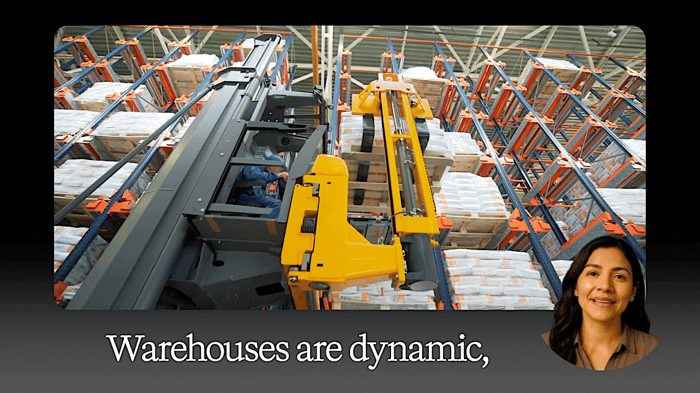
This global perspective underscores a universal truth: risk assessments aren't optional; they're essential for ethical and legal operations. But why do they matter so much in warehousing specifically? Warehouses are dynamic environments teeming with potential risks. Dave lists several common culprits: forklift traffic weaving through pedestrian walkways, loading docks where falls or collisions are frequent, racking systems that could collapse if overloaded, battery charging stations prone to electrical or chemical hazards, and the ever-present pressure of deadlines that might encourage shortcuts. Add in factors like work-at-height tasks, hazardous materials storage, fire risks, or even the potential for workplace violence, and it's easy to see how unaddressed issues can snowball.
Without a formal risk assessment, these hazards often go unnoticed until an incident occurs. Dave paints a vivid picture of the pitfalls: "Informal safety leads to inconsistent markings, unclear right-of-way rules, blind intersections, and preventable incidents." Imagine a forklift rounding a blind corner without warning signals, or pedestrians crossing paths with heavy equipment in dimly lit areas. These aren't hypotheticals; they're real scenarios that OSHA and HSE reports highlight as leading causes of warehouse accidents. In fact, according to industry data, forklifts alone account for thousands of injuries annually in the US, many of which could be prevented with better planning.
So, how does a proper risk assessment change the game? It forces organizations to "pause and ask" critical questions, as Dave puts it. Is there clear aisleway delineation? Where do forklifts and pedestrians intersect, and are crosswalks visible and standardized? What controls exist at blind corners—mirrors, alarms, or barriers? Are speed limits posted and enforced? Is training consistent, documented, and tailored to specific hazards? What safeguards protect loading docks from falls or vehicle mishaps? By methodically evaluating these elements, companies can implement targeted solutions. For instance, a risk assessment on forklift-pedestrian crossings might reveal the need for physical barriers, high-visibility floor markings, improved lighting, or mandatory training programs. These aren't simply good ideas; they're essential, preventive measures that serve to support, and oftentimes, address, root causes.
The tangible outcomes are compelling. Dave notes that effective risk assessments lead to fewer near-misses, reduced life-altering injuries, and lower costs associated with workers' compensation, downtime, and legal fees. Beyond the numbers, there's a cultural shift: employees feel valued when leadership "walks-the-walk" on safety and health. A workforce that trusts its organization is more engaged, productive, and loyal. In an era where talent retention is a challenge, becoming a "safe, preferred employer" can be a competitive edge. Moreover, regulatory compliance becomes second nature, shielding companies from audits and penalties.
The Mighty Line Minute episode isn't just about identifying problems—it's about turning assessments into action. He stresses that risk assessments aren't mere paperwork; they're "operational excellence in action." This means documenting findings, reviewing them regularly (at least annually or after any significant change), and enforcing the controls consistently. Simply slapping a warning sign on a wall or painting a haphazard line on the floor doesn't cut it. A true EHS and operational excellence program integrates risk assessments into daily operations, ensuring everyone from floor workers to executives buys in.
Take, for example, the evaluation of racking systems. A risk assessment might uncover overloading risks, leading to weight limit signage, regular inspections, and employee training on proper loading techniques. Or consider battery charging stations: assessing fire and chemical hazards could result in dedicated ventilation, spill control and/or containment, a spill response and remediation program, and emergency protocols. Even less obvious risks, like workplace violence, can be mitigated through assessments that identify high-stress areas and implement de-escalation training or security measures.
Looking ahead, Dave teases an upcoming episode on how Mighty Line products can elevate your safety and operational excellence game. Known for their durable floor tapes and markings, Mighty Line offers solutions that align perfectly with risk assessment outcomes—think high-visibility aisle tapes, pedestrian crosswalk markings, and zone delineations that withstand heavy traffic. These aren't just products; they're tools for achieving "best-in-class" status, making your warehouse not only safer but also more efficient.
In wrapping up, it's clear that risk assessments are the linchpin separating reactive companies—those scrambling after accidents—from proactive ones that prevent them. As Dave eloquently puts it, the goal is simple: "Ensure that employees return home safely at the end of every shift." By embracing this mindset, warehouse operators can foster environments where safety and productivity coexist harmoniously. If you're in warehousing, don't wait for an incident to spur change. Start with a risk assessment today—audit your space, involve your team, and implement controls.
Tune into Mighty Line Minute and head over to Mighty Line Tape and Floor Signs for more insights and remember: safety isn't a cost; it's an investment in your people and your future.
Have a safe and rewarding day—and let's make proactive safety and health in the workplace – and at home – the norm.