No Products in the Cart
We have been busy creating new products - Take a look here New Products

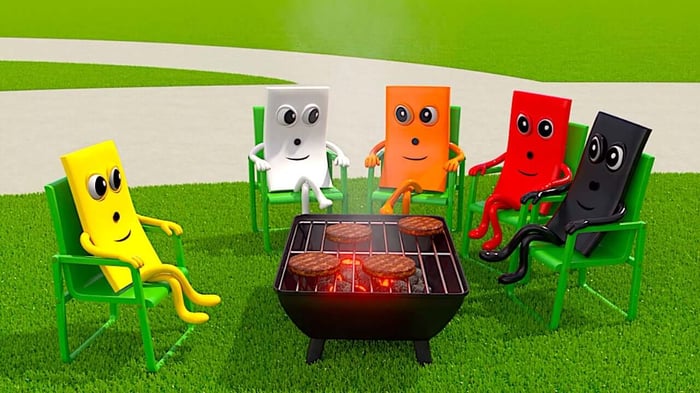

The weekend is here, so its time for safe grilling! For many of us, that means firing up the grill and spending time outdoors with family and friends. Whether it is a holiday weekend, a backyard gathering, or simply an opportunity to enjoy a good meal outside, grilling can be one of the season's great traditions.
But before the food hits the grill, it is worth remembering that grilling involves several potential fire and burn hazards. Open flames, hot surfaces, charcoal, propane, grease, and combustible materials can all create dangerous situations when basic safety precautions are overlooked.
The good news is that most grilling incidents can be prevented through proper preparation and attention. In this Mighty Line Minute Safety Podcast, Mighty™ shares five simple principles to help make sure the only thing getting burned is the food.
Before firing up the grill, take a few minutes to understand the rules that may apply where you live. Local ordinances, fire codes, condominium or apartment policies, homeowners' association requirements, and rental-property restrictions may all regulate where and how grills can be used.
Safe grilling requirements are particularly important in multi-family housing, where balconies, decks, patios, and other areas may place a grill dangerously close to a building or other combustible construction. Some properties restrict or prohibit certain types of grills because of the additional fire risk associated with open flames, charcoal, or propane cylinders.
Knowing the rules is more than a matter of avoiding a complaint or violation. Regulations and restrictions are often designed to address real fire hazards. Before grilling, make sure you understand any limitations that apply to your property and follow the manufacturer's instructions for your specific grill.
A safe grilling experience begins before the grill is even turned on.
Safe grilling needs more than a convenient place for grilles to stand—they needs adequate separation from buildings and combustible materials. Grills should always be used outdoors in a well-ventilated area. Never use a grill inside a home, garage, tent, enclosed porch, or other enclosed or partially enclosed space.
Position the grill away from homes, railings, fences, overhangs, outdoor furniture, and anything else that could catch fire. Flames, hot surfaces, grease flare-ups, and radiant heat can ignite nearby combustible materials, sometimes even when the materials do not appear to be directly touching the grill.
Adequate space above the grill is just as important as space around it. Heat and flames can rise toward roof overhangs, awnings, decks, or other combustible structures. A grill may seem safely positioned at ground level while still creating a hazard overhead.
Also consider the surface on which the grill is placed. The grill should be stable and positioned where it is unlikely to tip, roll, or be accidentally bumped. Keep the grilling area reasonably clear so that people do not need to squeeze between the grill and other objects.
The goal is simple: give the grill its own safe working area and keep unnecessary combustible materials out of that space.
Every fuel source deserves respect. Whether you are grilling with charcoal or propane, improper handling of the fuel can quickly turn a pleasant backyard activity into a fire emergency.
For charcoal grills, never add lighter fluid to hot or burning coals. Doing so can cause flames to flash back toward the container or the person holding it. Even when coals appear to be dying down, they may still contain enough heat to ignite additional fuel suddenly.
Gasoline should never be used to start or restart a grill fire. Gasoline produces highly flammable vapors that can travel away from the point where the liquid is poured and ignite unexpectedly. Other highly volatile liquids should also never be used as substitutes for approved grill-starting products.
Propane grills require their own routine inspection and maintenance. Before using the grill, inspect the cylinder, valves, hoses, and fittings for visible damage or signs of deterioration. Make sure connections are secure, and follow the manufacturer's instructions for checking the system for leaks. Hoses should not be cracked, excessively worn, or positioned where they can be damaged by heat.
Burners and gas connections should also be kept clean and clear. Grease accumulation and debris can contribute to flare-ups, interfere with proper operation, or create other hazards. A few minutes spent inspecting and maintaining the grill before cooking can help prevent a much more serious problem later.
The fuel that makes grilling possible also demands careful handling. Respecting that fuel is one of the most important parts of grilling safely.
A grill should never be treated as something that can simply be turned on and forgotten. Fire conditions can change quickly, and flare-ups, grease fires, equipment problems, or unexpected contact with nearby combustible materials can occur with little warning.
Whenever the grill is operating, someone should remain nearby and attentive. Stepping away for only a few minutes may be enough time for a small problem to become a larger emergency.
Children and pets also require special attention around a hot grill. Establish a safe zone around the cooking area and make sure they understand that the grill, cooking surfaces, tools, and fuel containers can all present hazards. Hot surfaces can remain dangerous even when visible flames are no longer present.
Keep combustible items away as well. This includes paper products, towels, decorations, packaging, and other materials that could ignite or melt when exposed to heat or flames. Loose clothing should also be kept away from the cooking area.
Safe grilling is not complicated, but it does require attention. The person operating the grill should stay focused on the cooking process from startup through shutdown.
Grilling safety does not end when the food comes off the grill. Proper shutdown is essential, particularly because charcoal can remain hot for hours and propane equipment must be turned off correctly.
When using a propane grill, follow the manufacturer's instructions for shutting down the appliance and properly turning off the propane supply. Make sure the grill has been completely turned off before leaving it unattended.
For safe grilling with charcoal grills, patience is essential. Coals and ash can retain heat long after cooking has ended. Allow charcoal to cool completely before disposing of it. Never assume ashes are harmless simply because they appear gray or no longer show visible flames.
Charcoal ashes should be handled carefully and placed in an appropriate noncombustible container until they are fully cooled. Never place potentially hot ashes directly into a plastic, paper, or other combustible container.
After the grill has been shut down and cooled, take a moment to check the area. Make sure no combustible materials have been exposed to excessive heat and that the grill is stable and secure.
Grilling should be an enjoyable part of the weekend—not the beginning of a fire emergency. By knowing the rules, giving your grill adequate space, respecting the fuel, staying with the grill, and shutting down safely, you can significantly reduce common grilling hazards.
So, enjoy the food, family, and friends. And from Mighty™ and all of us at Mighty Line, have a safe and enjoyable weekend—and remember: the only thing getting burned should be the food.